


Decks
Composite vs. Wood Decking: Which Is Better for Your Home?
By admin
August 19, 2026
Share:
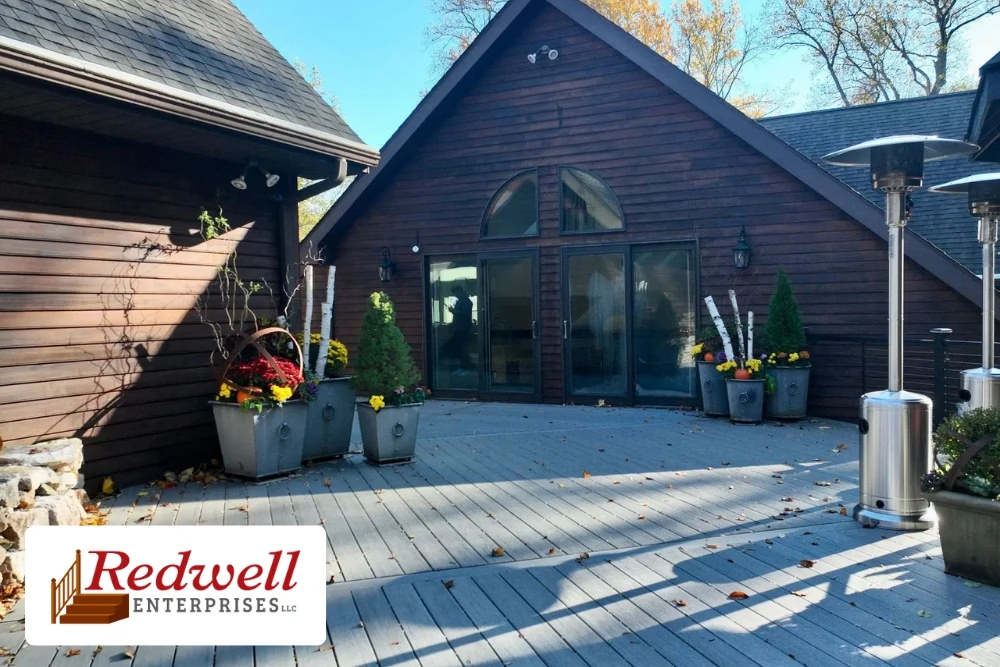
Choosing the right decking material is one of the most important decisions when planning a new outdoor living space. The material you select affects how your deck looks, how much maintenance it requires, how long it lasts, and how much value it can add to your home.
For homeowners considering a new deck, the choice often comes down to composite vs. wood decking. Both materials offer distinct advantages, and the best option depends on your budget, design preferences, maintenance expectations, and how you plan to use your outdoor space.
At Amish Deck Builders, we help Pennsylvania homeowners create custom outdoor spaces using quality decking materials, including wood and composite options such as Trex. Here is what you should know before making your decision.
Composite vs. Wood Decking: Understanding the Difference
Wood decking has been a popular choice for homeowners for generations. Natural wood provides an authentic appearance, a warm feel, and a traditional look that works well with many architectural styles. Popular decking woods can include pressure-treated lumber, cedar, and other hardwood options.
Composite decking is manufactured using a combination of materials designed to provide the appearance of wood while reducing some of the maintenance associated with traditional lumber. Modern composite decking is available in a wide range of colors and textures, allowing homeowners to create a customized appearance.
When comparing composite vs. wood decking, there is no universal winner. Each material has advantages that may make it better suited to a particular home and homeowner.
Appearance and Design Options
One of the biggest reasons homeowners choose wood decking is its natural appearance. Real wood has unique grain patterns and variations that give every deck a distinctive character. It can also be stained in different colors to complement the home’s exterior.
Composite decking has also come a long way in terms of appearance. Today’s products can replicate the texture and visual characteristics of natural wood while offering more consistent color and design options.
For homeowners who want a clean, coordinated outdoor living area, composite decking can provide flexibility with colors, railing systems, lighting, and other design elements. Wood may be the better choice for homeowners who strongly prefer the natural character of real lumber.
Maintenance Requirements
Maintenance is an important consideration when comparing composite vs. wood decking.
Wood decks generally require more ongoing care. Depending on the type of wood and the environmental conditions, homeowners may need to clean, stain, seal, or otherwise protect the deck periodically. Regular maintenance can help protect the surface from moisture, weather exposure, and normal wear.
Composite decking typically requires less routine maintenance. It does not need the same type of staining and sealing schedule as traditional wood. Regular cleaning can help remove dirt, leaves, and other debris and keep the deck looking its best.
If minimizing long-term maintenance is one of your priorities, composite decking may be the more convenient choice.
Durability and Longevity
Your deck is exposed to Pennsylvania’s changing weather throughout the year, including sun, rain, snow, and temperature fluctuations. Choosing a material that fits your expectations for durability is therefore important.
Wood can provide excellent performance when it is properly installed and maintained. However, natural lumber can be affected by moisture, insects, weather exposure, and normal aging.
Composite decking is designed to provide a durable outdoor surface with less routine maintenance. Its resistance to common outdoor wear makes it a popular option for homeowners who want a deck that can be enjoyed without frequent refinishing.
Proper installation is important regardless of the material you choose. A professionally designed and built deck can help ensure that the structure, drainage, framing, fasteners, railings, and surface materials work together properly.
Cost of Composite vs. Wood Decking
Initial cost is another factor homeowners need to consider.
In many cases, wood decking can have a lower upfront material cost than premium composite decking. This can make wood an attractive option for homeowners working within a specific initial budget.
Composite decking can have a higher upfront cost, but homeowners may spend less on certain maintenance requirements over the life of the deck. The overall value should therefore be considered rather than comparing only the initial installation price.
When planning a deck, consider both your current budget and your expected long-term maintenance needs.
Which Decking Material Is Better for Pennsylvania Homes?
There is no single answer to which material is better. The right choice depends on what matters most to you.
Wood decking may be a good fit if you:
- Prefer the natural appearance and feel of real wood
- Want the flexibility to stain the deck in different colors
- Prefer a traditional decking material
- Are comfortable with regular maintenance
- Want to manage your initial project budget carefully
Composite decking may be a good fit if you:
- Want lower routine maintenance
- Prefer consistent colors and contemporary design options
- Want a durable surface for frequent outdoor use
- Prefer not to regularly stain or seal the deck
- Are considering a long-term outdoor living investment
For homeowners searching for composite deck builders Pennsylvania, working with an experienced contractor can make it easier to select the right product and design for your property.
Composite vs. Wood Decking for Outdoor Living
A deck is more than a platform attached to your home. It can become an extension of your indoor living space where your family gathers, entertains guests, enjoys meals, or relaxes outdoors.
The decking material should therefore work with the overall design of your outdoor space. Consider the size and shape of the deck, railing style, stairs, seating areas, lighting, landscaping, and how the deck connects to your home.
A custom deck design can help ensure that the material, layout, and architectural style complement one another.
Whether you choose traditional wood or composite decking, professional planning can make a significant difference in the finished result. Amish Deck Builders creates custom decks in Pennsylvania designed around the homeowner’s property, lifestyle, and outdoor living goals.
Is Trex a Good Alternative to Wood Decking?
Trex is one of the well-known names in composite decking and is an option homeowners may consider when comparing wood and composite materials.
Trex decking is designed to provide the appearance of natural wood while offering the low-maintenance characteristics homeowners often want from composite decking. It is available in multiple colors and styles, making it possible to coordinate the deck with your home’s exterior.
For homeowners specifically looking for Trex deck builders Pennsylvania, choosing an experienced contractor is important. Proper installation helps ensure that the decking system performs as intended and integrates correctly with framing, railings, stairs, and other components.
How to Choose the Right Decking Material
Before choosing between composite and wood, consider these questions:
How much maintenance are you willing to perform?
If you enjoy maintaining and refinishing natural wood, wood decking may be a good fit. If you prefer a simpler maintenance routine, composite may be more appealing.
What appearance do you prefer?
Wood provides natural variations and a traditional appearance, while composite offers consistent colors and modern design options.
What is your long-term budget?
Look beyond the initial installation price and consider maintenance requirements and expected longevity.
How will you use the deck?
A deck used frequently for entertaining, dining, or family activities may benefit from a material selected specifically for durability and ease of care.
What fits your home’s architecture?
The decking material should complement the home’s exterior, landscaping, railings, and overall outdoor design.
Frequently Asked Questions
Is composite decking better than wood?
Composite decking can be better for homeowners who prioritize low maintenance, consistent appearance, and long-term convenience. Wood may be better for homeowners who prefer natural materials and are comfortable with regular maintenance.
Is wood decking cheaper than composite?
Wood decking can have a lower initial cost, depending on the type of wood selected. Composite decking may cost more upfront, but its lower maintenance requirements can be an important consideration when evaluating long-term value.
Does composite decking require maintenance?
Composite decking requires routine cleaning, but generally does not require the same staining and sealing maintenance associated with many wood decks.
How long does a wood deck last?
The lifespan of a wood deck depends on the type of lumber, installation quality, weather exposure, maintenance, and other factors. Regular cleaning, staining, and sealing can help protect the deck and extend its useful life.
Is Trex decking considered composite decking?
Yes. Trex is a brand of composite decking. It is one of the options homeowners can consider when looking for a low-maintenance alternative to traditional wood decking.
Should I choose wood or composite decking for my Pennsylvania home?
The best choice depends on your priorities. Wood may be ideal if you want natural character and are comfortable with maintenance. Composite may be a better fit if you want a durable, low-maintenance outdoor surface with consistent design options.
Why Schedule a Call?
Our Services
