


Decks
How to Choose the Right Decking Material for Your Home
By admin
August 19, 2026
Share:
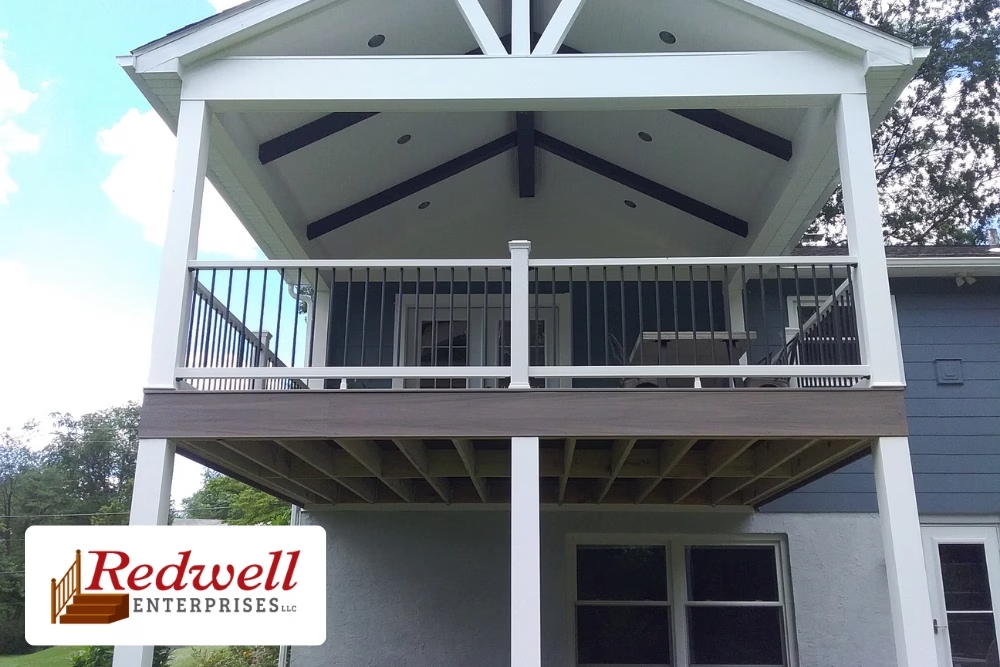
Choosing the right decking material is one of the most important decisions when planning a new outdoor living space. The material you select affects the deck’s appearance, maintenance requirements, durability, comfort, and long-term value. With options ranging from traditional wood to composite and fiberglass decking, it can be difficult to determine which option is best for your home.
The right choice depends on more than appearance. You should consider how you plan to use the deck, how much maintenance you are willing to perform, your preferred style, your budget, and how the material will perform in your local climate.
If you are planning a new deck, working with experienced custom deck builders can also help you compare materials and create a design that fits your home and lifestyle.
What Should You Consider When Choosing Decking Material?
Before selecting a decking material, think about the following factors:
- Initial and long-term cost
- Maintenance requirements
- Durability and expected lifespan
- Resistance to moisture and weather
- Appearance and color options
- Comfort underfoot
- Installation requirements
- Environmental considerations
- Compatibility with your home’s design
- How you plan to use the outdoor space
There is no single decking material that is perfect for every homeowner. Each option has advantages and limitations, so understanding the differences can help you make a more informed decision.
Wood Decking: A Traditional and Natural Choice
Wood remains a popular choice for homeowners who prefer the natural appearance and traditional character of a wood deck. The texture and grain of real wood can complement many home styles and create a warm, classic outdoor environment.
However, wood decking generally requires more maintenance than many modern alternatives. Depending on the type of wood and local conditions, homeowners may need to clean, stain, seal, or otherwise protect the surface regularly.
Wood can also be affected by moisture, sunlight, temperature changes, and everyday use. For homeowners who enjoy the natural look of wood and are comfortable with ongoing maintenance, it can still be an excellent decking option.
When planning custom deck construction, wood can also provide flexibility for creating different layouts, railings, stairs, and other architectural details.
Composite Decking: Low Maintenance and Long-Term Performance
Composite decking has become increasingly popular among homeowners who want the appearance of a traditional deck without some of the maintenance associated with wood.
Composite decking is made from a combination of materials designed to provide durability and resistance to common outdoor conditions. It is available in a variety of colors and styles, making it possible to coordinate the deck with the exterior of your home.
One of the primary advantages of composite decking is reduced maintenance. Unlike wood, composite decking typically does not require the same regular staining and sealing routine.
If you are looking for a composite deck builder, discuss your expected use, preferred appearance, and maintenance expectations before selecting a specific product.
Trex Decking: A Popular Composite Option
Trex is one of the best-known names in composite decking. Amish Deck Builders is a Trex-certified builder, making Trex an option for homeowners considering a new composite deck.
Trex composite decking is designed to provide the appearance of wood while reducing the maintenance associated with traditional wood decking. It is available in multiple colors and styles, allowing homeowners to create an outdoor space that complements their home.
When comparing decking materials, consider more than the initial appearance. Look at maintenance requirements, durability, available colors, warranty information, and how the material fits your overall deck design.
If you are specifically considering Trex, working with a Trex deck builder can help you understand the available options and determine which product is appropriate for your project.
Fiberglass Decking: A Durable, Seamless Option
Fiberglass decking is another option worth considering, particularly for homeowners who want a durable and low-maintenance surface.
A major characteristic of fiberglass decking is its seamless finished surface. Amish Deck Builders manufactures fiberglass decking on-site and provides professional installation, allowing the material to be customized for the specific project.
Fiberglass decking can also be customized with different color options and can withstand outdoor exposure such as rain, snow, and UV exposure. Its low-maintenance characteristics make it an option for homeowners who want to spend less time maintaining their deck.
If you are considering a fiberglass deck builder, compare fiberglass with wood and composite decking based on your property’s requirements, desired appearance, maintenance preferences, and budget.
Composite vs. Wood vs. Fiberglass: Which Is Right for You?
The best decking material depends on your priorities.
| Feature | Wood | Composite | Fiberglass |
| Natural appearance | Excellent | Wood-like appearance | Customizable |
| Maintenance | Higher | Lower | Lower |
| Color options | Depends on wood and finish | Multiple options | Multiple options |
| Weather resistance | Requires protection | Designed for outdoor use | Designed for outdoor use |
| Customization | High | High | High |
| Long-term maintenance | Regular upkeep | Generally reduced | Generally reduced |
| Best for | Traditional appearance | Low-maintenance outdoor living | Seamless, durable surface |
This comparison is a starting point rather than a universal recommendation. The best material for your home depends on your specific property and how you intend to use the deck.
Think About Your Pennsylvania Climate
Weather should be an important consideration when selecting decking material. Pennsylvania experiences seasonal changes, including summer heat, winter temperatures, rain, snow, and fluctuating moisture levels.
Your decking material should be appropriate for regular exposure to outdoor conditions. Consider how the material handles moisture, temperature changes, sunlight, and everyday use.
This is another reason why selecting the right deck contractor is important. A professional can help you understand the characteristics of different materials and how they may perform in your particular outdoor environment.
Consider How You Will Use Your Deck
Your intended use should influence your material choice.
For example, a homeowner primarily interested in a quiet space for morning coffee may have different priorities than a family that regularly hosts large gatherings.
Think about whether your deck will be used for:
- Outdoor dining
- Entertaining guests
- Grilling and cooking
- Family activities
- Relaxing
- Poolside use
- Gardening
- Connecting different outdoor areas
A well-planned custom deck design can incorporate these activities into the layout. The decking material should then support the way you intend to use the finished space.
Don’t Forget the Other Deck Components
Choosing the decking boards is only one part of planning a new deck. Railings, stairs, lighting, seating, storage, and the overall layout can significantly affect the finished outdoor space.
For example, integrated lighting can make the deck more functional after sunset. Built-in seating can provide additional places for guests without taking up as much floor space. Custom levels or shapes can help separate dining and relaxing areas.
These features can be incorporated into a custom deck to create an outdoor living space that works around your home’s architecture and your lifestyle.
How Much Should You Budget for Decking?
Decking costs vary significantly depending on the size of the project, material, design complexity, site conditions, railings, stairs, lighting, and additional features.
Instead of choosing a material based only on its initial price, consider the total cost over the life of the deck. A less expensive material may require more maintenance, while a higher initial investment in a low-maintenance material may reduce ongoing upkeep.
When comparing estimates from deck builders in Pennsylvania, make sure you understand what is included in each proposal. Ask about the decking material, structural construction, railings, stairs, finishing, installation, and any additional features.
Choosing the Right Decking Material Is About More Than the Boards
The best decking material is the one that fits your home, lifestyle, maintenance preferences, budget, and long-term expectations.
Wood can be an excellent choice if you want a traditional natural appearance and are comfortable with regular maintenance. Composite and Trex decking can be attractive options if reduced maintenance and long-term performance are priorities. Fiberglass decking may be worth considering if you want a seamless, durable, and customizable surface.
A professional custom deck builder can help you compare these options and determine which material makes the most sense for your project.
If you are planning a new outdoor living space, explore Amish Deck Builders’ Custom Decks service to learn more about available decking solutions and design options.
Frequently Asked Questions
What is the best decking material for a low-maintenance deck?
Composite and fiberglass decking are both options worth considering if low maintenance is a priority. Trex composite decking is also designed to provide a wood-like appearance with reduced maintenance compared with traditional wood.
Is composite decking better than wood decking?
Neither material is universally better. Composite decking generally requires less maintenance, while wood provides a natural appearance and traditional character. Your preferred appearance, maintenance expectations, budget, and intended use should guide the decision.
Is fiberglass decking better than composite decking?
Fiberglass and composite decking have different characteristics. Fiberglass provides a seamless surface and can be customized with different color options, while composite decking offers a wood-like appearance and a range of styles. Comparing maintenance, appearance, durability, and project requirements can help determine which is a better fit.
How long does composite decking last?
The lifespan of composite decking depends on the specific product, installation, environmental exposure, and maintenance. Homeowners should review the manufacturer’s product specifications and warranty when comparing options.
Does wood decking require more maintenance than composite decking?
Generally, yes. Wood decking typically requires more regular cleaning, staining, sealing, or other protective maintenance than composite decking.
Is Trex decking a good choice for Pennsylvania homes?
Trex can be a suitable option for Pennsylvania homeowners who want composite decking with reduced maintenance requirements. Its suitability for a particular project depends on the home’s design, budget, intended use, and the specific Trex product selected.
How do I choose between Trex and fiberglass decking?
Consider the appearance you prefer, maintenance expectations, available colors, budget, installation requirements, and how you plan to use the deck. A professional deck builder can help you compare the two options for your specific project.
Should I choose decking based on price alone?
No. Consider both the initial investment and long-term maintenance. A decking material that costs more initially may offer lower ongoing maintenance, while a lower-cost option may require more regular upkeep.
Why Schedule a Call?
Our Services
